Our Pilates Certifications
are NASM-approved with CEUs that meet nationally recognized standards for anatomy, biomechanics, and safe, effective movement.
This approval ensures your education is science-based, professionally respected, and transferable across studios, gyms, and wellness settings.
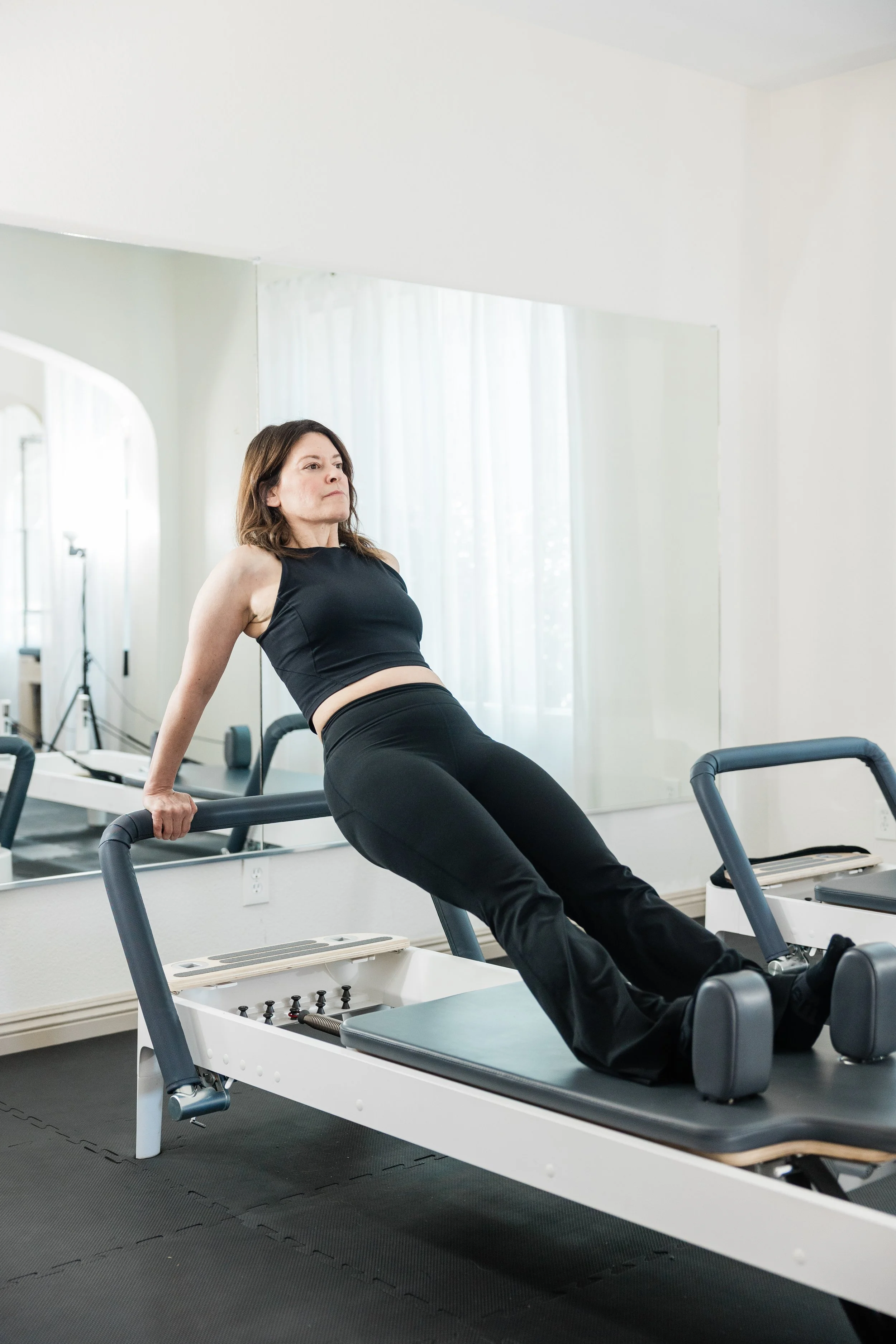
Reformer
What it is
The Reformer is a spring-loaded carriage apparatus designed to provide resistance, support, and tactile feedback throughout movement. Its adjustable springs, straps, and moving platform allow for highly targeted strength, mobility, and stability work. Because of its versatility and adaptability for all bodies, the Reformer is the most widely used and recognized piece of equipment in Pilates studios worldwide.
What you will learn
Classical Reformer repertoire (all levels)
Spring settings and safety
How to progress clients using resistance
How to teach group classes vs. privates
Posture, alignment, and biomechanics on the Reformer
Why it matters
The Reformer builds strength, length, control, and postural alignment while reinforcing balanced, symmetrical movement. The springs provide continuous feedback, helping clients develop precision, stability, and mindful body awareness with every repetition.
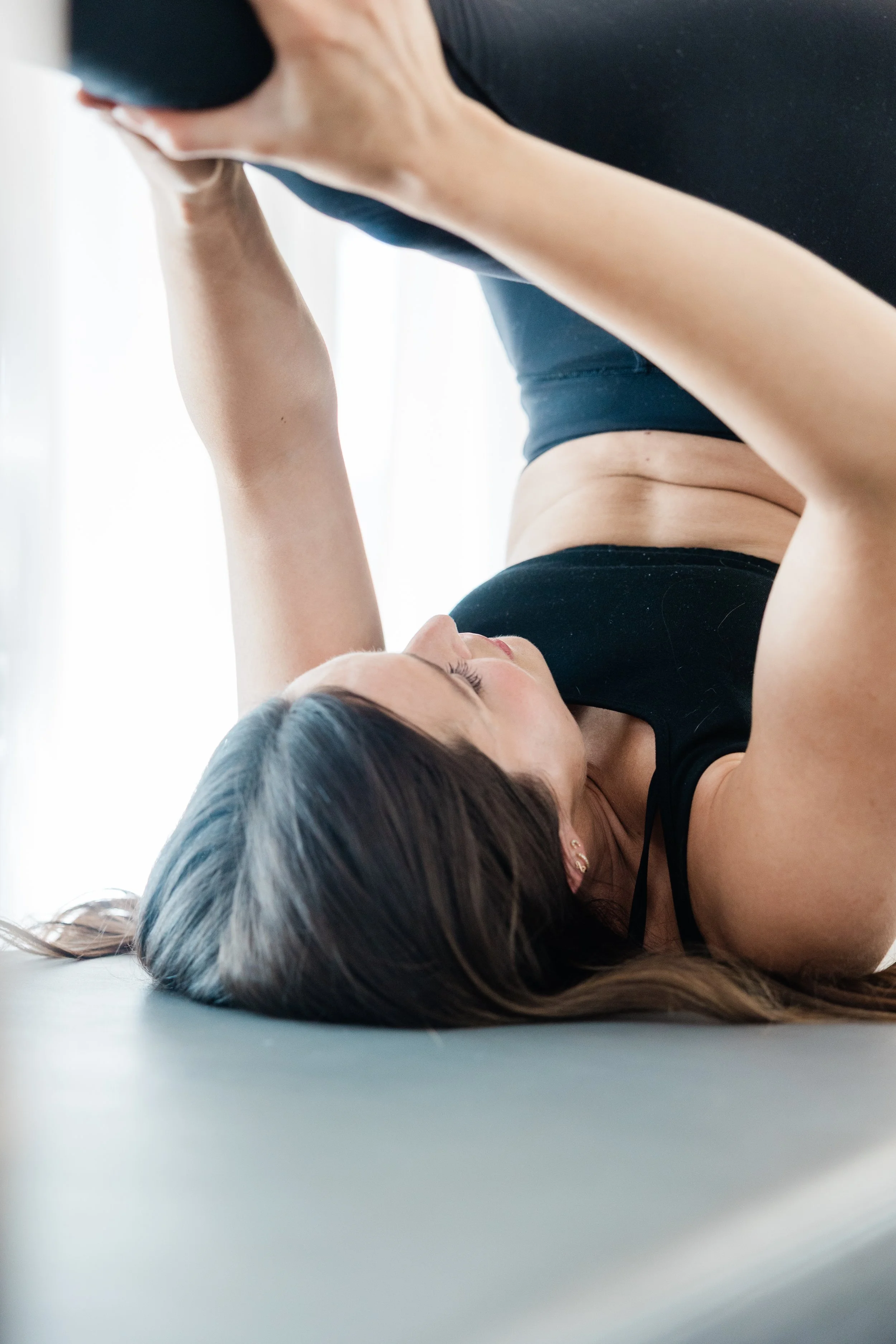
Mat Pilates
What it is
Mat Pilates is the foundation of the Pilates system. Based on Joseph Pilates’ original floor exercises, it develops core strength, alignment, breath coordination, and precision using only your bodyweight.
Mat work builds the fundamentals needed for all apparatus training and is accessible to every level—from beginners to advanced practitioners looking to refine technique and deepen body awareness.
What you will learn
Classical Mat repertoire (Beginner → Intermediate → Advanced)
Breath patterns and core activation
Flow, transitions, and rhythm
Modifications for different bodies
How to teach clear, safe, effective mat classes
Why it matters
Mat Pilates teaches the foundational principles that carry over into every piece of equipment. It trains true core strength, control, and alignment without relying on springs or props—meaning the body has to organize itself. Mastering the mat builds precision, endurance, and body awareness that elevates every other aspect of Pilates training.
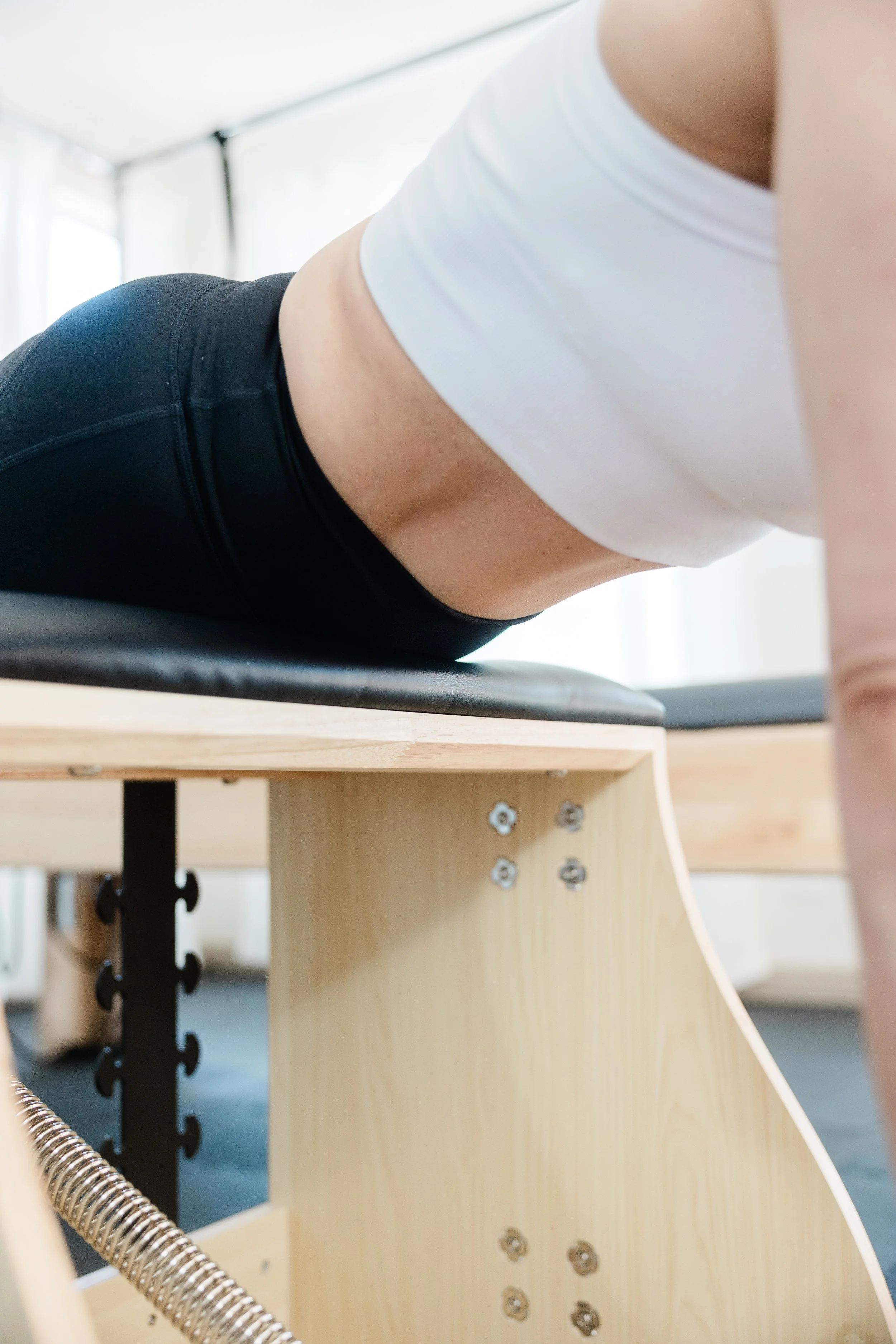
Wunda Chair
What it is
The Wunda Chair is a compact, upright piece of Pilates equipment featuring a pedal connected to adjustable springs. Its small footprint and vertical orientation make it one of the most deceptively challenging apparatus in the Pilates system. With very little external support, the Chair requires deep core engagement, balance, coordination, and precise control. It is used both for rehabilitative work and highly athletic, advanced conditioning.
What you will learn
Classical Chair repertoire
Balance, strength, and vertical alignment
How to support clients with modifications
How to teach advanced Chair drills safely
Use of single vs. double pedal
Why it matters
The Wunda Chair develops power, stability, and balance in a uniquely functional and upright setting. Because there is minimal support from the apparatus, the body must organize itself with precision—training strength in standing, kneeling, and single-leg positions that closely translate to real-life movement. The Chair is especially valuable for athletes, advanced practitioners, and anyone working to improve core strength, vertical alignment, and full-body control. It challenges the body in a way no other apparatus does, making it an essential tool for building true functional strength.
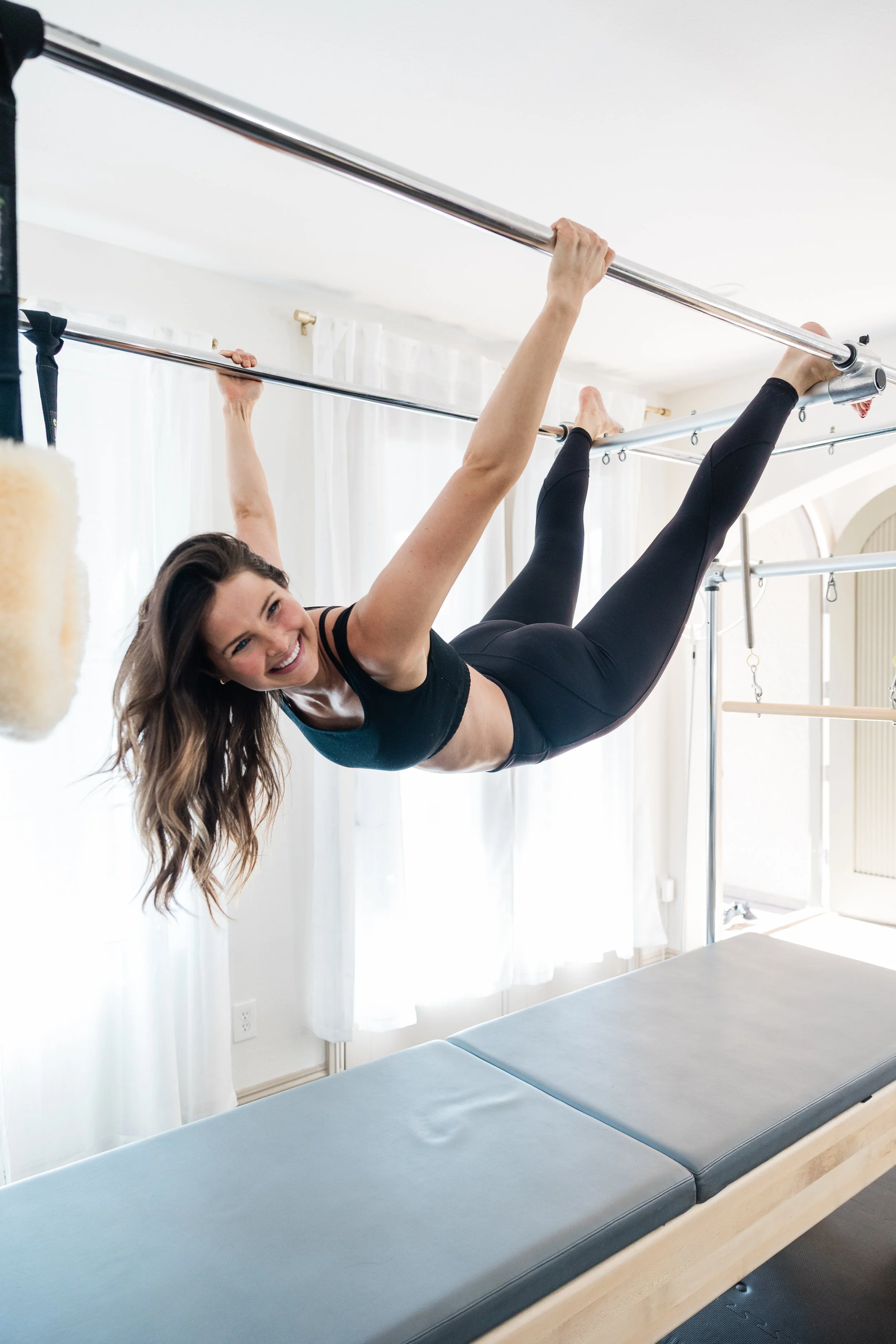
CADILLAC / TRAPEZE TABLE
What it is
The Reformer is a spring-loaded carriage apparatus designed to provide resistance, support, and tactile feedback throughout movement. Its adjustable springs, straps, and moving platform allow for highly targeted strength, mobility, and stability work. Because of its versatility and adaptability for all bodies, the Reformer is the most widely used and recognized piece of equipment in Pilates studios worldwide.
What you will learn
Classical Reformer repertoire (all levels)
Spring settings and safety
How to progress clients using resistance
How to teach group classes vs. privates
Posture, alignment, and biomechanics on the Reformer
Why it matters
The Reformer builds strength, length, control, and postural alignment while reinforcing balanced, symmetrical movement. The springs provide continuous feedback, helping clients develop precision, stability, and mindful body awareness with every repetition.
Ladder Barrel / Arc
What they are
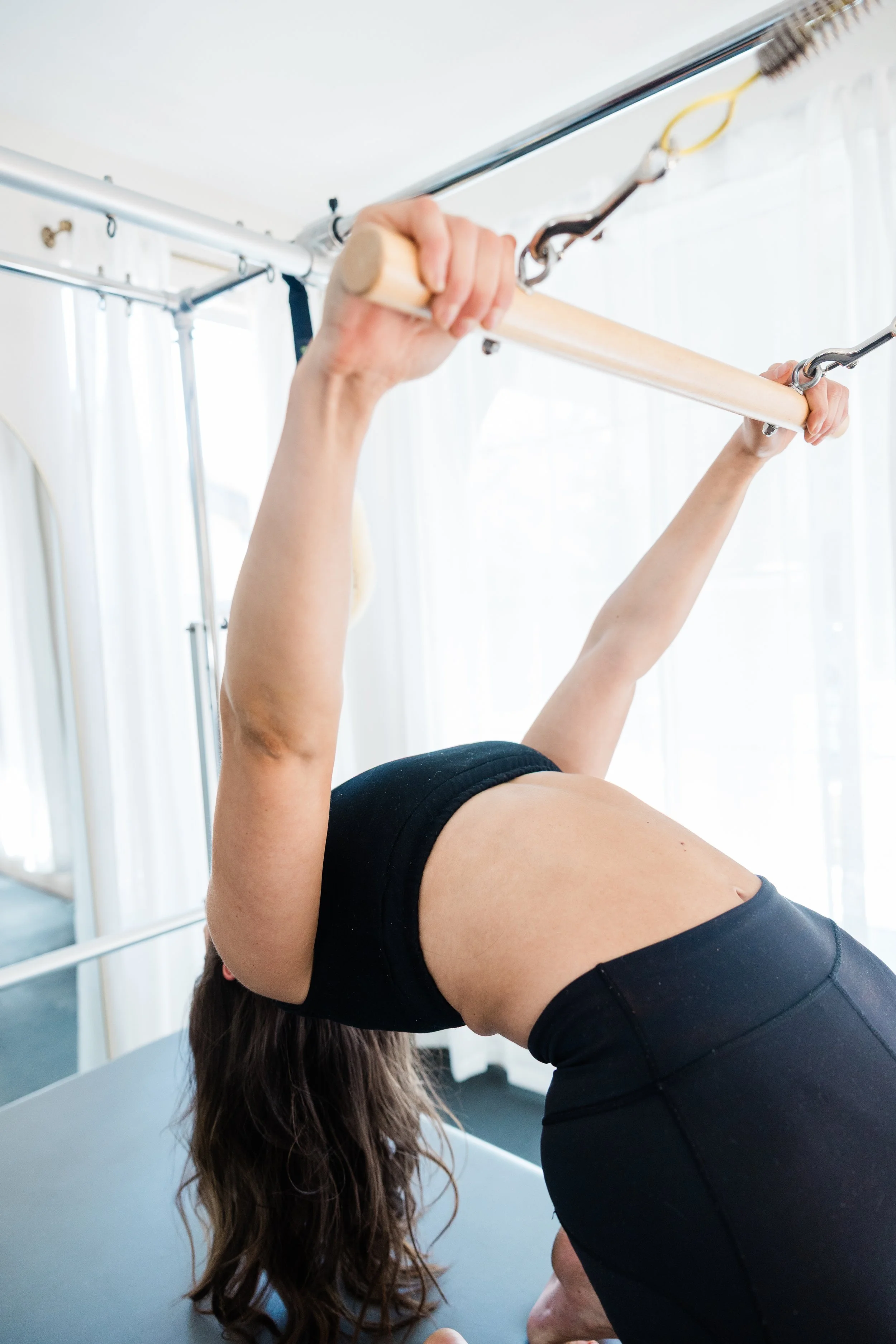
The Barrels— including the Spine Corrector, Ladder Barrel, and Small Barrel—are curved apparatus designed to support and challenge the spine through its full range of motion. Their arched shape allows for safe and effective extension, flexion, side bending, and rotation, while also strengthening the deep postural and stabilizing muscles. By working with the natural curves of the body, the Barrels help to open restricted areas, restore mobility, improve alignment, and rebalance posture.
What you will learn
Classical Barrel exercises
How to safely assist spinal flexion, extension & side bending
Working with clients who have limited mobility
How to use the barrels to complement mat & reformer work
Why it matters
The Barrels play a vital role in improving posture, restoring mobility, and strengthening the back and core. Their curved design supports the natural shape of the spine, allowing students to safely explore extension and decompression—movements that are often limited in daily life. They help unwind chronic tension, reestablish healthy spinal curves, and create space in areas of compression. Whether used for rehabilitation, posture correction, or advanced athletic conditioning, the Barrels encourage balanced alignment, deep core engagement, and a more open, resilient spine.
Small Props and Anatomy
What it IS
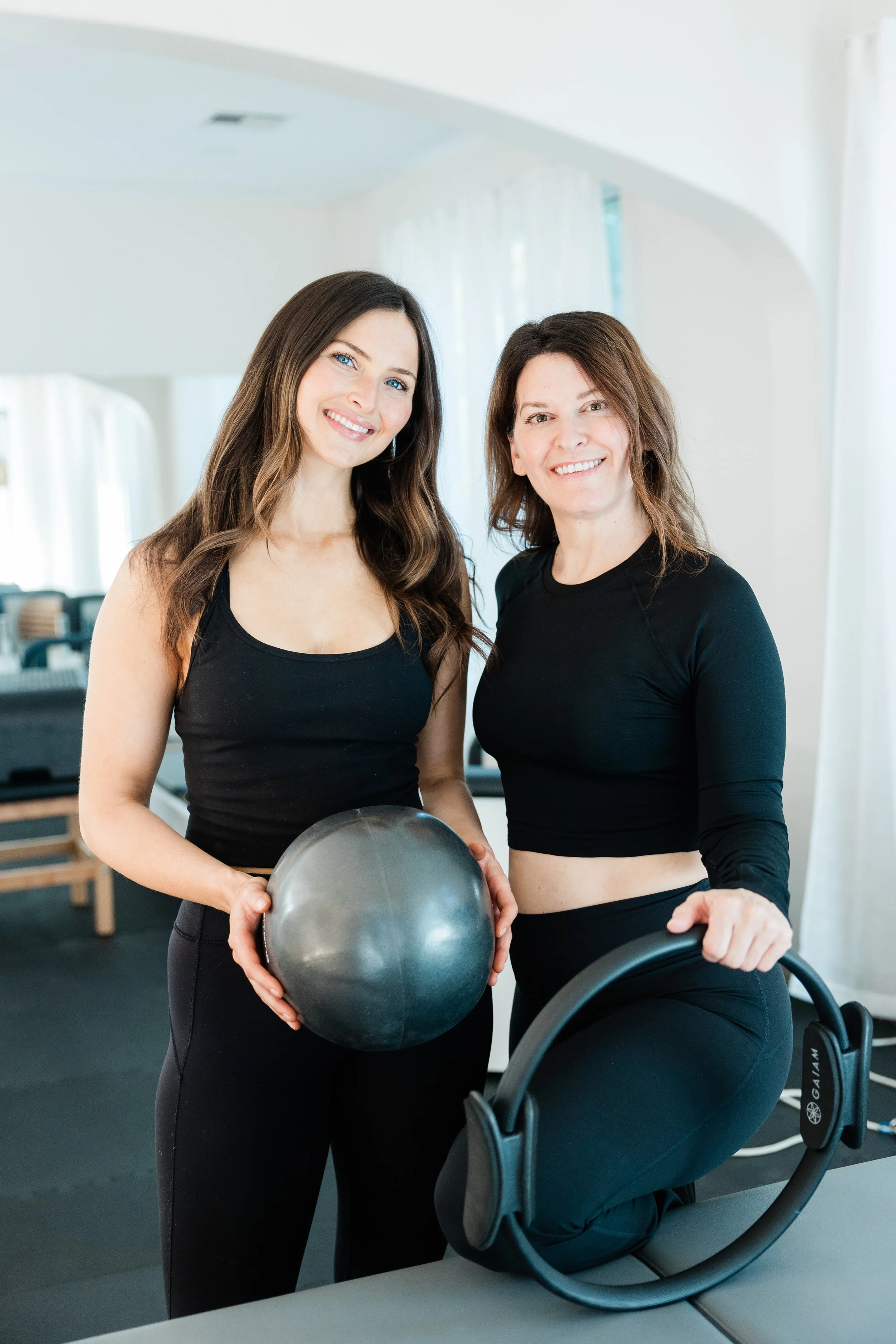
This module bridges the gap between knowing Pilates exercises and confidently teaching real people. You'll learn how to use small props to improve movement quality, modify exercises for different abilities, and safely adapt classes for clients with injuries, limitations, and special considerations. You'll also develop a foundational understanding of anatomy, common movement dysfunctions, and effective class programming so you can teach mixed-level classes with confidence while keeping every client safe and successful.
What you will learn
Basic anatomy for Pilates instructors
How to use small props to enhance movement
Teaching clients with injuries and special conditions
Modifying exercises for all fitness levels
Building inclusive, mixed-level classes
Common contraindications and safety guidelines
When to progress, regress, or adapt an exercise
Why it matters
A successful Pilates instructor isn't measured by how many advanced exercises they know—it's measured by how well they can adapt those exercises to the person in front of them. Every class will include clients with different bodies, abilities, injuries, and goals. Understanding anatomy, movement patterns, and appropriate modifications allows you to teach safely while helping every client feel challenged, successful, and included. Small props become valuable teaching tools that increase body awareness, provide support when needed, and create new movement opportunities for clients of every fitness level
Ready to become a pilates instructor?
Submit the form now and unleash your teaching potential today.